Water damage mitigation Key Biscayne FL, done before mold starts
Fast extraction, structural drying, and moisture verification across the island
Water damage mitigation Key Biscayne FL means stopping the water, pulling it out, and drying the structure before mold takes hold. We run emergency water damage mitigation Key Biscayne from the Village to Cape Florida, usually on site within 60 minutes of your call. If a pipe burst, an appliance leak, or storm surge left standing water in your home, call (833) 321-7153 now.
What water damage mitigation Key Biscayne FL actually involves
Water damage mitigation Key Biscayne FL is the emergency phase of water damage work: stop the source, extract standing water, and dry the structure to a verified moisture baseline. It is not cosmetic repair. We use a moisture meter and thermal imaging camera to map where water traveled behind tile, under cabinetry, and inside wall cavities, then place air movers and dehumidifiers to pull that moisture out. The goal is a dry, documented structure within 3 to 5 days.
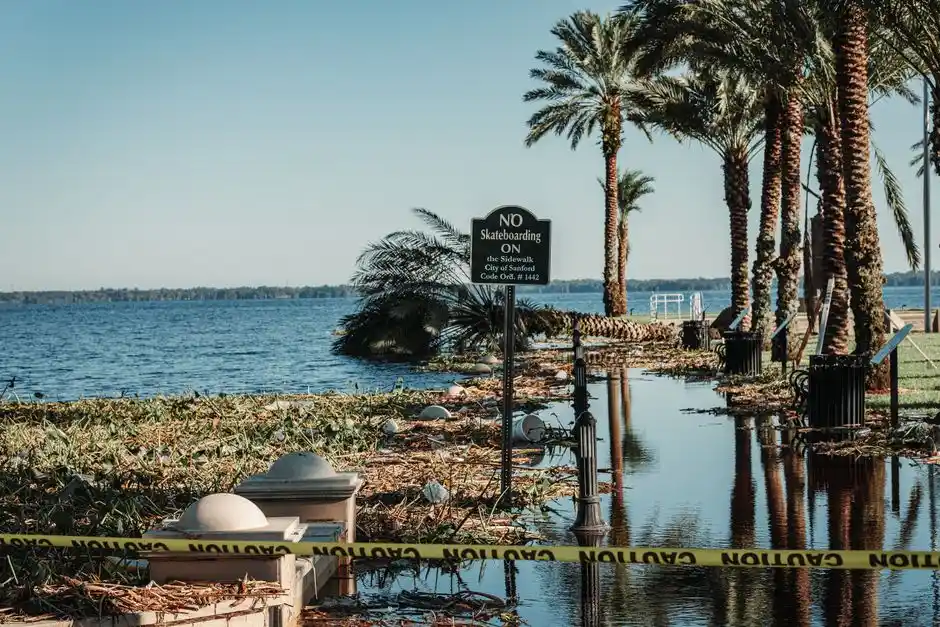
On this island, water arrives from predictable places: a slab leak under a ground-floor unit, a pipe burst in a 1970s concrete building, a roof leak during a summer squall, or hurricane flooding that pushes salt water into parking levels. Because Key Biscayne sits at 5 to 10 feet above sea level with a salt-heavy air profile, wet drywall and insulation here start growing mold in as little as 24 to 48 hours. That is why we treat every call as emergency water damage mitigation Key Biscayne, not a next-week appointment.
Why fast mitigation protects your home and your wallet
Mitigation is the cheapest phase of a water claim. Every hour water sits, the repair scope grows. Here is what fast, documented drying buys you.
Mold stopped at 48 hours
Mold growth after water damage begins within 24 to 48 hours in South Florida humidity. We extract and start drying the same day, which keeps most jobs out of the mold remediation category entirely. That single timing difference often separates a $2,400 drying job from a $9,000 remediation and rebuild.
Insurance-ready documentation
We log moisture readings, thermal images, and daily drying charts in Xactimate-compatible format, so your adjuster gets a clear scope on the first pass. Claims with proper psychrometric documentation get approved faster and disputed less. You get the file; your carrier gets the numbers.
Structural drying, not just surface drying
A wet floor that feels dry on top can still hold moisture in the subfloor and wall base. We verify with a hygrometer and infrared thermometer before we call a job complete. If the numbers are not at baseline, the equipment stays. That is how we avoid callbacks and re-opened claims.
Salvage what matters most
We move and protect furniture, lift area rugs, and block cabinetry before drying begins. Hardwood, engineered flooring, and drywall can often be saved if extraction starts within the first day. Items that cannot be saved are documented and photographed for your claim, not quietly discarded.
Our 5-step water damage mitigation process
Every job follows the same sequence: assess, stop, extract, dry, verify. You get a clear explanation at each step and a written drying report at the end.
Emergency assessment
We arrive, identify the water source, and classify the loss. A moisture meter and thermal imaging camera show us how far water has spread behind walls and under floors. You get a plain-language summary of what is wet, what is at risk, and what the drying plan looks like. This visit takes 30 to 45 minutes.
Water source control
Extraction is pointless if water is still coming in. We shut off the supply, isolate the affected zone, and coordinate with a licensed plumber for slab leaks or pipe bursts. For sewage backup, our crew suits up in sewage cleanup PPE and treats the area as contaminated from the first minute.
Water extraction
Truck-mounted and portable water extraction units pull standing water from carpet, tile, and hardwood. A typical 400-square-foot flooded room takes 1 to 3 hours to extract. We use an inspection camera to check wall cavities and subfloor layers before moving to the drying phase.
Structural drying
We set air movers and dehumidifiers based on the room's cubic footage and the day's psychrometric readings. Dri-Eaz and Phoenix Restoration Equipment units run 24/7 for 3 to 5 days on most jobs. We add HEPA filters and air scrubber filters when the loss involves sewage or visible mold.
Verification and report
We take daily moisture readings until every affected material hits its dry standard. When the numbers hold for 24 hours, we remove equipment and hand you a drying report with photos, readings, and equipment logs. That report is what your insurance adjuster needs to close the claim.
Why Key Biscayne homeowners call us for water damage mitigation
We are a local crew, not a call center. You get a real arrival window, a named lead, and a drying report your adjuster can actually use.
60-minute island response
We target on-site arrival within 60 minutes for emergency calls in the Village, Key Colony, and Cape Florida. Because we work the island daily, we know the Rickenbacker traffic patterns and the building access quirks at the Towers and Grand Bay. That is the difference between a 48-hour and a 24-hour mold window.
Direct insurance billing
We document in Xactimate and bill most major carriers directly. You are not fronting the full mitigation cost and waiting months for reimbursement. We also walk your adjuster through the drying log if there are questions, which keeps the claim moving instead of stalling.
IICRC-certified technicians
Every lead tech holds IICRC WRT and ASD credentials, and we follow the S500 standard for water classification and drying. That matters when a claim gets reviewed. Our documentation shows the adjuster exactly why each piece of equipment was placed and when it came off the job.
Transparent, affordable pricing
You get a written scope before we start, and the price does not move unless the moisture map finds something new. For affordable water damage mitigation near me Key Biscayne searches, we quote the drying scope separately from any rebuild so you can see exactly what you are paying for.
What our water damage mitigation service includes
Every mitigation job includes the same core scope: assessment, extraction, drying, and verification. Rebuild work like new drywall, flooring, and paint is quoted separately so you can see exactly what the mitigation phase costs on its own.
What's Included
Moisture mapping and assessment
We use a moisture meter, thermal imaging camera, and hygrometer to map exactly where water traveled. You get a written summary of affected materials and a drying plan before equipment is placed. This step usually takes 30 to 45 minutes on site.
Water extraction and removal
Truck-mounted and portable water extraction units pull standing water from carpet, pad, tile, and hardwood. We remove and dispose of saturated carpet and pad when they cannot be dried in place, and we photograph everything for your claim.
Structural drying equipment
Air movers and dehumidifiers are placed based on room cubic footage and daily psychrometric readings. Most jobs run 3 to 5 days. We add air scrubbers with HEPA filters when the loss involves sewage, visible mold, or Category 3 water.
Antimicrobial treatment
After extraction, we apply antimicrobial spray to affected framing, subfloor, and wall cavities. This slows microbial growth while the structure dries and is standard practice on any loss that sat more than 24 hours before we arrived.
Daily monitoring and documentation
We return each day to log moisture readings, adjust equipment placement, and photograph progress. You get a final drying report with all readings, equipment logs, and photos, formatted for your insurance adjuster.
Final moisture verification
Before we remove equipment, every affected material must hit its dry standard and hold for 24 hours. If readings are still elevated, the equipment stays. We do not close a job on a visual check alone.
Water problems we solve across Key Biscayne
Most calls we get fall into a handful of categories. Each one has a different drying strategy, and getting the category right on day one is what keeps the claim clean.
Pipe burst inside a concrete wall
Water travels through the wall cavity and shows up as a ceiling stain two floors down. By the time you see it, the framing has been wet for days.
We use a thermal imaging camera and inspection camera to trace the water path, then open the wall at the wet zone, extract, and dry the cavity with directed air movers. The plumber fixes the pipe; we dry the structure around it.
Slab leak under tile flooring
A slab leak warps flooring, lifts tile, and keeps the subfloor wet from below. Left alone, it can undermine the finished floor across an entire room.
We locate the leak with an infrared thermometer, coordinate the plumbing repair, then dry the slab and subfloor with desiccant dehumidifiers and floor drying mats. Most slab leak dry-outs finish in 4 to 6 days.
Sewage backup into a ground-floor unit
Category 3 water carries bacteria and pathogens. Standard drying is not enough, and porous materials like carpet and pad must be removed and disposed of.
Our crew suits up in sewage cleanup PPE, removes contaminated materials, applies antimicrobial spray, and runs air scrubbers with HEPA filters during the dry. We verify with moisture readings and a final visual inspection before closing the job.
Hurricane flooding in a parking or storage level
Salt water sits on concrete, wicks into stored belongings, and leaves a corrosive residue that damages metal and electronics long after the water is gone.
We extract the standing water, pressure-rinse and treat the concrete, and run commercial dehumidifiers to pull moisture out of the slab. Stored items are documented, dried where possible, and photographed for your claim.
Roof leak after a summer squall
Water enters at the roof deck, runs along framing, and shows up as a ceiling water stain or a wet attic. Attic mold can start within 48 hours in South Florida humidity.
We dry the attic framing and ceiling assembly, contain the space with polyethylene sheeting if mold is present, and run air scrubbers with HEPA filters. The roof repair is scheduled separately, but the drying starts the same day.
When to call for water damage mitigation
A dishwasher supply line fails overnight in a Key Colony condo and water spreads under the kitchen tile into the hallway carpet.
We shut off the supply, extract from the carpet and pad, and use floor drying mats to pull moisture from under the tile. A thermal camera confirms the water did not reach the adjacent bedroom.
Kitchen and hallway dry in 3 days. Carpet pad is replaced, tile stays in place, and the claim closes without a rebuild scope.
Storm surge pushes 2 inches of water into a ground-floor unit at the Towers of Key Biscayne during a named storm.
We extract the standing water, remove saturated baseboards, and set commercial dehumidifiers and air movers in the unit and adjacent hallway. Salt residue is treated with antimicrobial spray.
Unit dries in 5 days. Moisture readings return to baseline, and the rebuild scope is limited to baseboards and paint instead of full flooring replacement.
A toilet supply line breaks on the second floor of a Harbor Drive home and water runs through the ceiling into the living room below.
We extract from the upstairs bathroom, open the ceiling at the wet zone, and dry the joists and subfloor from both sides. Ceiling water damage repair is scoped after the structure is dry.
Both floors dry in 4 days. The ceiling patch and paint are scheduled after verification, and the homeowner avoids a full ceiling replacement.
An AC condensate line clogs in a Cape Florida home and drips into the attic insulation for over a week before anyone notices.
We remove the wet insulation, dry the attic framing with directed air movers, and treat the area with antimicrobial spray. Containment goes up if any mold is visible.
Attic framing dries in 3 days. New insulation goes in after verification, and the homeowner avoids attic mold remediation.
Tools and methods we use on every job
Tools & Equipment
Moisture meter and hygrometer
Used to measure moisture content in drywall, wood, and concrete, and to track relative humidity in the drying chamber. These readings drive every equipment decision we make.
Thermal imaging camera
Reveals temperature differences that indicate hidden moisture behind walls, under floors, and above ceilings. It is how we find water that a visual inspection would miss.
Air movers and dehumidifiers
The core drying equipment. Air movers evaporate moisture from wet surfaces; dehumidifiers pull that moisture out of the air. We size them to the room's cubic footage, not a rule of thumb.
Water extraction unit
Truck-mounted and portable units that pull standing water from carpet, pad, and hard surfaces. A typical 400-square-foot flooded room takes 1 to 3 hours to extract.
Inspection camera
A RIDGID inspection camera lets us look inside wall cavities and under subfloors without opening more of the structure than necessary. It confirms whether water reached framing or insulation.
Infrared thermometer
Used to spot temperature anomalies that point to slab leaks, hidden supply line leaks, and wet spots under finished flooring. It is a fast first-pass tool before moisture mapping.
Air scrubbers with HEPA filters
Deployed on Category 3 losses, sewage backups, and any job with visible mold. They filter airborne spores and particles so the drying phase does not spread contamination to other rooms.
Methods
IICRC S500 water classification
We classify every loss as Category 1, 2, or 3 and as Class 1 through 4 based on the extent of saturation. That classification drives the drying plan, equipment count, and whether antimicrobial treatment is required. It is also the language your adjuster uses to review the claim.
Psychrometric drying
We track temperature, relative humidity, and dew point daily to confirm the drying chamber is actually pulling moisture out of materials. If the numbers stall, we adjust equipment placement or add capacity. This is how we avoid jobs that run long and claims that get disputed.
Containment with polyethylene sheeting
On jobs with mold or Category 3 water, we seal the affected area with polyethylene sheeting and run air scrubbers under negative pressure. This keeps spores and contaminants out of the rest of the home during drying and demolition.
Antimicrobial spray application
After extraction and before drying, we apply antimicrobial spray to affected framing, subfloor, and wall cavities. It slows microbial growth during the dry and is standard on any loss that sat more than 24 hours.
Daily moisture verification
We return every day to log readings, photograph progress, and adjust equipment. A job is not complete until every affected material hits its dry standard and holds for 24 hours. That final log is what closes the claim.
How water damage mitigation runs on Key Biscayne
Key Biscayne is a barrier island in Miami-Dade County, and that shapes every mitigation job we run here. Salt-heavy air, year-round humidity, and a building stock that mixes 1960s concrete condos with newer elevated homes means drying times and equipment choices vary more than they would on the mainland. Summer squalls and hurricane season push water into ground-floor units and parking levels, while older buildings deal with slab leaks and pipe bursts behind original tile. We work ZIP code 33149 daily, from the Village of Key Biscayne to Cape Florida, and we know which buildings have concrete ceilings that slow drying and which have crawl spaces that stay humid after the visible water is gone. If you are searching for water damage control services in Key Biscayne at 3 a.m., we answer and dispatch. Our crews carry the same equipment on every truck, so the response does not change based on the hour.
Service Areas
Mix of single-family homes and mid-rise condos. Many older homes have original cast-iron or copper supply lines that are prone to pinhole leaks and slab leaks.
Large condo complex with shared plumbing stacks. A supply line failure on an upper floor can affect multiple units below, so we coordinate with building management on access and containment.
High-rise buildings with concrete construction. Concrete ceilings and walls slow drying, so we often run desiccant dehumidifiers and extend the drying window by a day or two.
Southern end of the island with single-family homes and heavier vegetation. Roof leaks and AC condensate issues are common after summer storms.
Waterfront properties with elevated ground floors. Storm surge and wind-driven rain can push water into garages and lower storage areas during named storms.
Local Considerations
Year-round humidity above 70 percent
Wet materials dry slower here than on the mainland, and mold can start within 24 to 48 hours. We size dehumidifiers for the local climate, not a national average, and we verify with daily psychrometric readings.
Salt-heavy coastal air
Salt residue left behind after storm flooding corrodes metal framing, electronics, and appliances. We treat affected surfaces with antimicrobial spray and rinse concrete where salt water intruded.
Concrete high-rise construction
Concrete walls and ceilings hold moisture longer than wood-frame assemblies. Drying jobs in high-rises often run 5 to 7 days instead of 3 to 4, and we plan the equipment count accordingly.
Hurricane season from June through November
Storm surge and wind-driven rain drive the bulk of our emergency calls in late summer and fall. We stage extra equipment on the island during active storm windows so response times stay short.
Kitchen supply line leak in Key Colony
A dishwasher supply line failed overnight and water spread under the kitchen tile into the hallway carpet. The homeowner found standing water at 6 a.m. and called us by 6:30. Moisture readings showed the cabinet base and hallway pad were saturated, and the adjacent bedroom wall was wet 8 inches up.
We extracted the standing water, removed the saturated carpet pad, and set floor drying mats and air movers. The kitchen and hallway hit dry standard in 3 days. The bedroom wall dried without demolition, and the only replacement needed was the carpet pad and a section of baseboard.
Maintenance & Follow-up
Replace the flexible supply line every 5 years and check the shutoff valve annually. A $15 braided line is cheaper than a $2,400 dry-out. We also recommend a leak sensor under the sink for early warning.
Storm surge pushed 2 inches of water into a ground-floor unit and the adjacent parking level during a named storm. Salt water sat for about 6 hours before the owner could get back on the island. Baseboards were saturated, and the concrete slab was holding moisture 1 inch deep.
We extracted the standing water, removed the wet baseboards, and set commercial dehumidifiers and air movers in the unit and parking level. Salt residue was treated with antimicrobial spray. The unit hit dry standard in 5 days, and the rebuild scope was limited to baseboards and paint instead of full flooring replacement.
Maintenance & Follow-up
Keep door sweeps and threshold seals in good condition, and store valuables on shelving at least 12 inches off the floor. During storm season, move electronics and documents to upper floors before the storm arrives.
A toilet supply line broke on the second floor and ran for several hours before the homeowner got home. Water traveled through the ceiling into the living room below, leaving a ceiling water stain roughly 3 feet across and wet joists above it. The upstairs bathroom floor was saturated under the tile.
We extracted from the bathroom, opened the ceiling at the wet zone, and dried the joists and subfloor from both sides. Both floors hit dry standard in 4 days. The ceiling patch and paint were scheduled after verification, and the homeowner avoided a full ceiling replacement.
Maintenance & Follow-up
Inspect toilet supply lines and shutoff valves every 6 months. A quarter-turn shutoff valve that will not close fully is a warning sign. Replace it before it fails, not after.
How much does water damage mitigation cost in Key Biscayne FL?
Most residential mitigation jobs in Key Biscayne run $1,200 to $4,500 in 2026, with a typical single-room extraction and 3-day dry landing near $2,400. Cost depends on square footage, water category, and how many days equipment runs. Sewage backup and hurricane flooding cost more because of PPE, disposal, and antimicrobial treatment. We quote the scope before we start.
How long does water damage mitigation take in Key Biscayne?
Extraction takes 1 to 3 hours for a typical room. Structural drying runs 3 to 5 days, and we verify with daily moisture readings before removing equipment. A small bathroom leak can be dry in 3 days; a full-floor hurricane flood with wet concrete and cabinetry often takes 5 to 7 days. You get a daily status update either way.
Does water damage mitigation in Key Biscayne work with insurance?
Yes. We document every job in Xactimate-compatible format with photos, moisture maps, and daily drying logs, and we bill most major carriers directly. You pay your deductible and any non-covered items. If your adjuster has questions about the drying scope, we walk them through the readings so the claim does not stall.
What is the difference between water mitigation and restoration in Key Biscayne FL?
Mitigation is the emergency phase: stop the water, extract it, and dry the structure to a verified baseline. Restoration is the rebuild that follows: new drywall, flooring, paint, and trim. Most homeowners need both, but they are separate scopes and often separate line items on a claim. We handle mitigation directly and coordinate the restoration phase.
Credentials and reviews
Certifications
Reviews
Called at 11 p.m. after a pipe burst in our wall. Crew arrived in under an hour, extracted the water, and set drying equipment the same night. Daily readings, clear communication, and the drying report made our insurance claim straightforward. Highly recommend for anyone in Key Biscayne.
We had a slab leak that showed up as a warm spot on the tile. They found it with an infrared thermometer, coordinated the plumber, and dried the area without tearing up the whole floor. Honest pricing and no upselling. The moisture log they gave us closed the claim in two weeks.
Sewage backup in our ground-floor unit. They suited up, removed the contaminated carpet and pad, and treated the whole area before drying. It was not a pleasant job, but they handled it professionally and kept us informed at every step. Would call them again without hesitation.
Hurricane flooding pushed water into our parking level and storage unit. They extracted, treated the concrete for salt residue, and ran dehumidifiers for five days. Everything was documented with photos and readings. The building manager asked for their contact info afterward.
Related Services
flood restoration services
When storm surge or heavy rain pushes water into a ground-floor unit, flood restoration services pick up where mitigation ends. We extract, dry, and rebuild the affected rooms, and we document the loss for your flood or wind claim.
flood restoration servicesemergency water removal
Standing water needs to come out fast. Our emergency water removal crews run truck-mounted extraction units and can pull hundreds of gallons from carpet, tile, and hardwood in a single visit, usually within the first two hours on site.
emergency water removalmold remediation after water damage
If water sat longer than 48 hours, mold growth after water damage is likely. Our Florida Mold Assessor License and AMRT-certified techs handle containment, HEPA filtration, and antimicrobial treatment so the mold does not come back after the rebuild.
mold remediation after water damagewater leak restoration
A slab leak or pipe burst leaves water inside walls and under floors long after the visible puddle is gone. Water leak restoration finds the hidden moisture with thermal imaging and dries it before it warps flooring or stains ceilings.
water leak restorationemergency water cleanup
Appliance leaks, toilet overflows, and AC condensate lines all qualify for emergency water cleanup. We treat each as a same-day call, extract the water, and set drying equipment so the damage does not spread to adjacent rooms.
emergency water cleanupwater extraction
Water extraction is the first physical step of mitigation. We use truck-mounted and portable units to pull water from carpet, pad, and hard surfaces, then check wall cavities with an inspection camera to confirm nothing was missed.
water extractiontoilet overflow cleanup
Toilet overflow cleanup is a Category 3 loss when the water comes from beyond the trap. We suit up in sewage cleanup PPE, remove contaminated materials, and disinfect the area before drying. Standard drying alone is not enough for this type of loss.
toilet overflow cleanupbasement flood cleanup
Ground-level units and parking-level storage areas in Key Biscayne flood during heavy rain. Basement flood cleanup handles the extraction, drying, and dehumidification needed to keep concrete and stored belongings from staying wet for weeks.
basement flood cleanupwater damage restoration near me
If you are searching for water damage restoration near me in Key Biscayne, we cover the whole island from the Village to Cape Florida. One call gets you extraction, drying, documentation, and a rebuild scope under one project lead.
water damage restoration near mewater cleanup services
Our water cleanup services cover the full range of residential water losses, from a small AC leak to a multi-room pipe burst. We handle extraction, drying, antimicrobial treatment, and the final moisture verification before we close the job.
water cleanup services24-hour water restoration near me
Water does not wait for business hours. Our 24-hour water restoration near me line is staffed around the clock, and we dispatch crews overnight and on weekends for active leaks, burst pipes, and storm flooding across Key Biscayne.
24-hour water restoration near mewater extraction company
As a dedicated water extraction company, we run the equipment that pulls water out of carpet, pad, and subfloor in a single visit. We also handle the drying phase, so you are not coordinating two separate vendors on one claim.
water extraction companyrapid water extraction
Rapid water extraction is the difference between saving hardwood and replacing it. We target on-site arrival within 60 minutes and start pulling water immediately, which limits how far moisture wicks into walls and cabinetry.
rapid water extractionkitchen water damage repair
Kitchen water damage repair starts with finding the source: a supply line, dishwasher, ice maker, or sink drain. We extract, dry the cabinet base and subfloor, and document the loss so your insurance scope covers the full repair.
kitchen water damage repairceiling water damage repair
Ceiling water stains usually mean a roof leak, an upstairs supply line, or an AC condensate pan overflow. Ceiling water damage repair starts with moisture mapping above the stain, then drying the drywall and framing before any patch or paint work.
ceiling water damage repairsewage cleanup
Sewage backup is a contaminated loss and needs more than drying. Our sewage cleanup crews use full PPE, remove affected porous materials, apply antimicrobial spray, and verify the area is clean before we set drying equipment.
sewage cleanupcrawl space mold removal
Crawl spaces in older Key Biscayne homes stay humid year-round. Crawl space mold removal includes containment, HEPA vacuuming, antimicrobial treatment, and a moisture barrier to keep the space dry after the job is done.
crawl space mold removalattic mold remediation
Attic mold remediation is common after a roof leak or a slow AC drain issue. We contain the space with polyethylene sheeting, run air scrubbers with HEPA filters, and treat the affected framing before the roof repair is scheduled.
attic mold remediationwater damage remediation after fire
Firefighting water leaves its own damage behind. Water damage remediation after fire handles the extraction, drying, and smoke-odor treatment so the rebuild can start on a dry, clean structure instead of a wet one.
water damage remediation after fireCall now for water damage mitigation Key Biscayne FL
Every hour water sits, the repair scope grows. We answer around the clock, dispatch within 60 minutes, and document the job so your claim moves. Call (833) 321-7153 and we will get a crew moving to your address.